
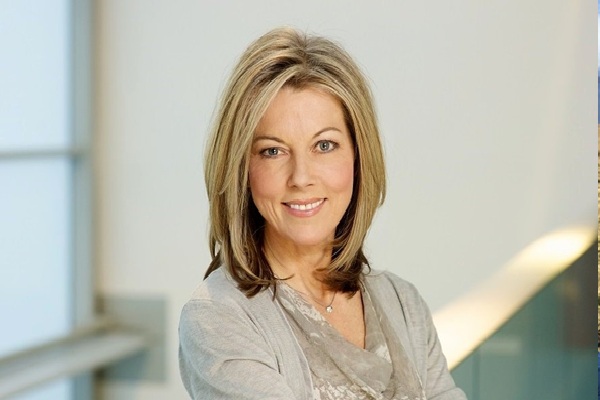
Mary Nightingale has been a trusted presence on British television for decades. Calm, composed, and endlessly professional, she has delivered major news stories to millions through ITV News at Six. That is why many regular viewers have recently picked up on something subtle but noticeable: what they describe as the Mary Nightingale voice change.
If you have found yourself wondering what people are talking about, you are not alone. Let’s walk through the full story in a clear, balanced, and respectful way, separating genuine observation from online speculation while appreciating the career of one of Britain’s most admired broadcasters.
Who Is Mary Nightingale?
Before diving into conversations about the Mary Nightingale voice change, it helps to understand her remarkable career.
Mary Nightingale was born in Scarborough, North Yorkshire, in 1963. She built her reputation through years of hard work in journalism, earning respect for her steady delivery and ability to handle breaking news with confidence.
Since joining ITV News at Six in 2001, she has become a fixture of evening television. Political elections, global crises, royal events, and major national stories have all passed through her newsroom. Viewers have grown accustomed to her clear voice, controlled pace, and authoritative tone.
That long familiarity is exactly why even small changes have not gone unnoticed.
What Viewers Are Saying About the Mary Nightingale Voice Change
The discussion around the Mary Nightingale voice change did not begin with headlines or official statements. It started quietly among viewers.
Some noticed moments where her voice sounded slightly huskier than before. Others described brief raspiness or a softer tone during certain broadcasts. These changes were not constant, but they stood out enough for loyal audiences to comment.
On social platforms and discussion forums, viewers shared clips and observations, often asking the same questions:
-
Is she unwell
-
Is it vocal strain
-
Is this just a normal change over time
For many, the curiosity came from concern rather than criticism.
Why Small Changes Feel Bigger on Television
Television viewers form strong habits. When a news presenter appears in the same time slot for years, even minor differences can feel dramatic.
A slight shift in pitch, pace, or clarity may seem amplified simply because people are used to hearing the same voice night after night. This familiarity makes broadcasters uniquely vulnerable to scrutiny, even when changes are natural or temporary.
In Mary Nightingale’s case, her long tenure has made her voice part of viewers’ daily routines, which explains why conversations gained momentum quickly.
Media Coverage and Growing Speculation
As online discussions grew, entertainment blogs and smaller news outlets picked up the story. Headlines referencing the Mary Nightingale voice change began appearing, often without direct quotes or confirmed sources.
Importantly, neither Mary Nightingale nor ITV has issued a public statement addressing any health concern related to her voice. Major news organizations have also avoided presenting the situation as a confirmed issue.
This distinction matters. Much of the coverage is built on observation rather than verified information.
Common Reasons Voices Can Change Over Time
When audiences notice vocal changes in broadcasters, there are many possible explanations. While no specific cause has been confirmed in Mary Nightingale’s case, general factors that affect professional speakers include the following:
Vocal Strain
News presenters speak live, often under pressure, several times a week. Over years, this can place stress on vocal cords.
Minor Illness
Colds, allergies, or throat irritation can temporarily alter voice quality, even if the person feels well enough to work.
Acid Reflux
Some professionals experience irritation of the vocal cords from reflux, which can cause hoarseness.
Natural Aging
Voices naturally change as people age. Vocal cords can lose flexibility, leading to subtle shifts in tone or strength.
Fatigue and Stress
Long working hours and intense schedules can also affect vocal consistency.
These are common realities for broadcasters and performers, and none imply serious illness by default.
Social Media and the Amplification Effect
Social media has played a major role in pushing the Mary Nightingale voice change into public conversation.
Short clips shared online allow viewers to replay moments repeatedly, making small variations feel more significant. Comment threads then build momentum as speculation feeds on itself.
This environment often removes context. A single broadcast recorded during a tiring day can become evidence for months of online debate, even if the voice sounds normal on most other nights.
Deepfake Incidents and Increased Attention
A separate incident in early 2024 brought renewed focus on Mary Nightingale’s public image. A manipulated deepfake video using her likeness circulated online, prompting her to publicly express anger over the misuse of her identity.
Although unrelated to her voice, the incident increased attention around her broadcasts. With more eyes watching closely, even minor changes became easier to spot and discuss.
This overlap shows how different online issues can unintentionally fuel one another.
Also Read : Jeffrey Donaldson Daughter Claire: The Story of a Family, Politics, and Personal Beliefs
How Viewers Have Responded
Not all reactions to the Mary Nightingale voice change have been negative or speculative. Many viewers have shown strong support.
Comments across forums and articles often highlight:
-
Her decades of credibility
-
Her calm presence during national crises
-
Her professionalism regardless of vocal variation
Some viewers have even pushed back against the discussion entirely, arguing that focusing on a presenter’s voice distracts from the quality of journalism being delivered.
Why Separating Observation From Assumption Matters
There is a clear difference between noticing a change and assigning a cause to it. While viewers have observed moments where Mary Nightingale’s voice sounds different, there is no verified medical explanation available.
This gap between observation and assumption is where misinformation often grows. Without confirmation, it is more accurate to describe the situation as audience perception rather than fact.
Public figures, especially journalists, deserve the same respect for privacy as anyone else.
What This Conversation Reveals About Broadcasting
The attention around the Mary Nightingale voice change highlights broader realities within television journalism.
News presenters are expected to deliver accuracy, authority, and consistency for years on end. At the same time, they are human beings who experience fatigue, stress, illness, and aging like everyone else.
As technology continues to magnify public scrutiny, broadcasters may face increasing pressure over natural changes that once passed unnoticed.
Mary Nightingale’s experience serves as a reminder that professionalism is about substance, not perfection.
Why Her Legacy Remains Strong
Regardless of online chatter, Mary Nightingale’s contribution to British journalism remains unquestioned.
Her voice, whether slightly changed or not, continues to deliver trusted reporting to millions. Viewers tune in for clarity, integrity, and experience, all of which she continues to provide.
Changes over time do not erase decades of service. If anything, they underline the reality of a long and dedicated career.
Final Thoughts on the Mary Nightingale Voice Change
The discussion surrounding the Mary Nightingale voice change reflects curiosity, concern, and the modern tendency to analyze every detail of public figures. While some viewers have noticed moments of hoarseness or tonal variation, no confirmed explanation exists.
What remains clear is this: Mary Nightingale continues to do what she has always done well, delivering the news with professionalism and calm authority.
Sometimes the most important takeaway is not the change itself, but how quickly it reminds us that even the most familiar voices belong to real people.