
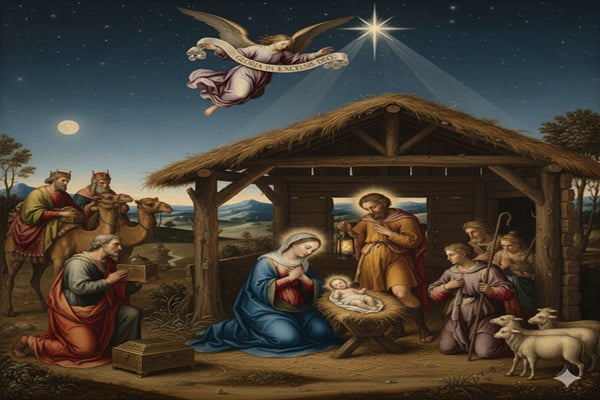
Let me guess you’ve heard the word Nativität, maybe seen it pop up around Christmas, art history, or culture blogs, and thought, “Okay… but what does it really mean?” Same here. The first time I ran into it, I assumed it was just a fancy way to say “Nativity” and moved on. Big mistake.
Because once you slow down and actually look at Nativität, you realize it’s not just a word. It’s a whole vibe. It’s history, faith, art, symbolism, and a surprisingly human story about beginnings. And honestly? That’s why it sticks with people.
So grab a coffee, get comfy, and let’s talk about Nativität like two curious friends geeking out over something way more interesting than it first appears.
What Does “Nativität” Actually Mean?
At its core, Nativität means birth. Simple, right? The word comes from the Latin nativitas, which literally translates to “the act of being born.” Straightforward, no drama.
But context changes everything.
In cultural and religious settings, Nativität almost always refers to the Nativity of Jesus Christ the story of his birth in Bethlehem. That’s the version most people recognize, especially in European traditions where the German term Nativität shows up a lot.
So depending on where you hear it, Nativität can mean:
-
A literal birth or origin
-
A religious event tied to Christianity
-
A symbol of new beginnings and hope
Ever notice how one small word can carry that much weight? Yeah, language is wild like that.
Why Nativität Became Such a Big Deal
Birth Stories Matter (Like, a Lot)
Here’s the thing every culture obsesses over birth stories. Kings, heroes, gods, legends… they all get dramatic origin tales. Nativität fits right into that tradition, but with a twist.
Instead of gold palaces and thunderbolts, this story gives us:
-
A stable
-
A manger
-
A baby wrapped in cloth
-
Some confused shepherds just trying to do their jobs
IMO, that’s exactly why it hit so hard. The humility feels relatable. No flexing, no royal nonsense.
The Christian Context
In Christianity, Nativität represents the moment God enters the human world. That’s not small stuff. Believers see it as:
-
The start of salvation
-
Proof of divine humility
-
A reminder that power doesn’t always look powerful
Ever wondered why this story survived for over 2,000 years? That emotional contrast plays a huge role.
The Classic Nativität Story (No Boring Recap, Promise)
You already know the basics, but let’s frame it like a human story instead of a textbook paragraph.
Mary and Joseph travel to Bethlehem. The town overflows with people. Every inn shuts its doors. No room. No luck. Finally, they end up in a stable. And there of all places Jesus is born.
Add in:
-
Shepherds, because everyday people matter
-
Angels, because drama
-
A star, because symbolism sells
-
Wise men, because global recognition looks good
Simple setting. Massive meaning.
And honestly? That contrast explains why Nativität resonates even with people who aren’t religious.
Nativität in Art: Where Things Get Beautiful
Artists Couldn’t Get Enough of It
If you walk through any major European museum, you’ll trip over Nativität artwork. Painters, sculptors, stained-glass artists they all took a shot at it.
Why? Because it lets artists explore:
-
Light vs darkness
-
Poverty vs divinity
-
Human emotion in a sacred moment
I’ve stared at Nativity paintings longer than I care to admit. Some feel peaceful. Others feel intense. A few feel oddly chaotic. And that variety keeps it interesting.
Common Visual Symbols You’ll Always See
Almost every Nativität scene includes:
-
The manger – humility
-
The star – guidance
-
Shepherds – ordinary humanity
-
Mary and Joseph – faith under pressure
Once you notice these patterns, you can’t unsee them. FYI, that makes museum visits way more fun 🙂
Nativity Scenes: Tiny Figures, Huge Meaning
From Churches to Living Rooms
The tradition of setting up Nativity scenes (or crèches) didn’t start as holiday décor. People originally used them as teaching tools, especially when most folks couldn’t read.
Fast-forward to today, and you’ll find them:
-
In churches
-
On town squares
-
In homes
-
Occasionally with a modern twist (yes, people add pop culture figures)
Do some setups get a little extra? Absolutely. But that’s part of the charm.
Why People Still Care
Even in a digital world, people still place those tiny figurines with care. Why?
Because Nativität gives people a tangible way to reflect on beginnings, humility, and hope. That never goes out of style.
Nativität Across Different Cultures
Europe Keeps It Traditional
In many European countries, Nativität remains deeply tied to Christmas traditions. Markets, music, plays, and elaborate displays take center stage.
Germany, Austria, and Italy go especially hard here. And honestly? They do it well.
Latin America Brings the Energy
In Latin American cultures, Nativität celebrations feel more communal and lively. Think:
-
Parades
-
Music
-
Public reenactments
-
Community meals
Same story. Totally different vibe.
Beyond Christianity
Here’s something people don’t always talk about Nativität themes exist outside Christianity too.
Birth, renewal, light in darkness… these ideas show up in:
-
Seasonal festivals
-
Mythology
-
Literature
-
Modern storytelling
That universality explains why the concept travels so well.
Symbolism: Why Nativität Hits Emotionally
More Than a Birth Story
At a deeper level, Nativität symbolizes:
-
New beginnings
-
Hope during hardship
-
The value of humility
-
Light appearing when things feel dark
Ever notice how people gravitate toward this story during tough times? That’s not accidental.
Why It Still Works Today
Modern life feels chaotic. Fast. Loud. Nativität slows things down and reminds people that meaningful change often starts quietly.
No trending hashtags required.
Nativität in Music and Literature
Songs That Refuse to Fade
Christmas music exists in two modes: annoying and timeless. Nativität-inspired songs usually land in the second category.
They focus on:
-
Peace
-
Wonder
-
Stillness
-
Hope
Even if you roll your eyes at holiday playlists, a few of these tracks still sneak past your defenses.
Stories That Reinterpret the Theme
Writers constantly rework Nativität-like narratives:
-
A child born during crisis
-
A quiet beginning that changes everything
-
Ordinary people witnessing something extraordinary
Sound familiar? Exactly.
Why Nativität Still Matters (Even If You’re Not Religious)
Let’s be real not everyone connects with the religious side. And that’s fine.
People still connect with Nativität because it speaks to universal experiences:
-
Starting over
-
Feeling small in a big world
-
Finding meaning in unlikely places
I’ve seen people with zero religious background feel moved by Nativity art or stories. That emotional pull doesn’t require belief it requires humanity.
Common Misunderstandings About Nativität
“It’s Just a Christmas Decoration”
Nope. Decorations came later. Nativität existed long before fairy lights and ornaments.
“It’s Outdated”
Also no. Stories about hope and beginnings don’t expire.
“It’s Only for Christians”
Again hard no. The symbolism speaks broader than any single belief system.
Also Read : Fontlu Explained: Features, Uses, and Why It’s Trending
How Nativität Shows Up in Modern Life
Subtle References Everywhere
You’ll find Nativität-inspired ideas in:
-
Movies
-
Novels
-
Advertisements (yep)
-
Social movements centered on renewal
Once you spot the pattern, you start noticing it everywhere. Kind of fun, honestly.
Why Brands Love It
From a storytelling perspective, birth and renewal sell emotion. Brands know this. Writers know this. Filmmakers definitely know this.
The structure works because humans respond to it instinctively.
Personal Take: Why I Keep Coming Back to Nativität
Here’s my honest take I don’t revisit Nativität because tradition tells me to. I revisit it because it reminds me to slow down.
Every time I look at a Nativity scene or read about its symbolism, I think:
-
Small moments matter
-
Quiet beginnings count
-
You don’t need perfection to start something meaningful
And in a world obsessed with loud success stories, that reminder feels refreshing :/
Key Takeaways (Because Clarity Matters)
Let’s wrap the main points into something clean and useful:
-
Nativität means birth, rooted in Latin origins
-
It most commonly refers to the Nativity of Jesus Christ
-
The concept emphasizes humility, hope, and new beginnings
-
Art, music, and culture keep it alive across centuries
-
Its symbolism resonates far beyond religion
That’s a lot packed into one word.
Final Thoughts: Why Nativität Deserves Attention
If you strip away the theology, the traditions, and the decorations, Nativität tells a deeply human story. It says that beginnings don’t need perfection. They need intention.
So next time you see the word or a Nativity scene pause for a second. Ask yourself what kind of beginning it represents for you. A reset? A reminder? A quiet spark?
That question alone makes Nativität worth revisiting.